Nine years building commerce storefronts, custom CMS platforms and multilingual products — for the teams who have to run them after launch.
Isaac Solomon.
✱
01
chapter one
Selected work
Client builds and side projects — each one pushed the work further than the brief required. Storefronts, content systems and a national talent platform.
01 · 2026 · Philanthropy · EdTech
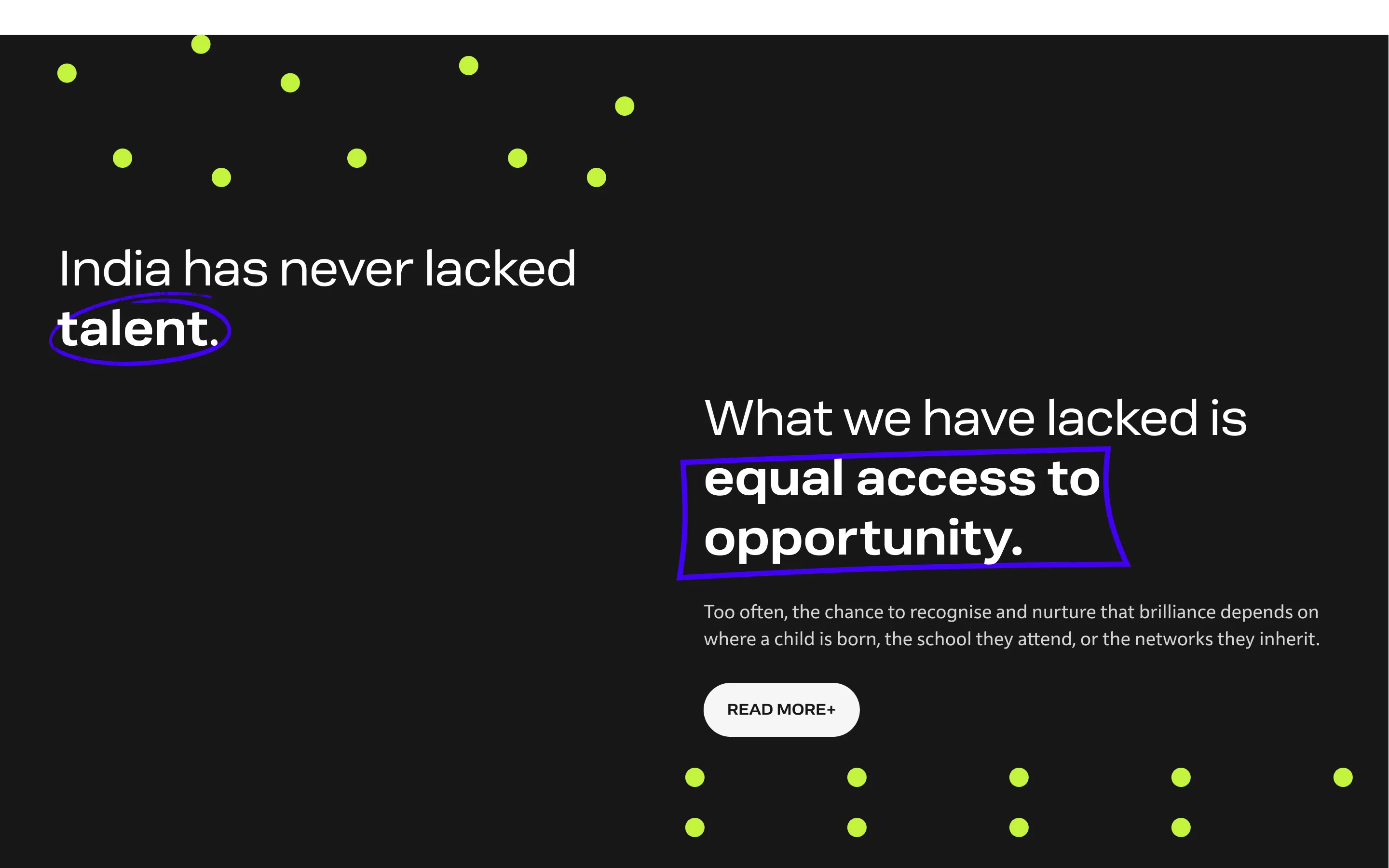
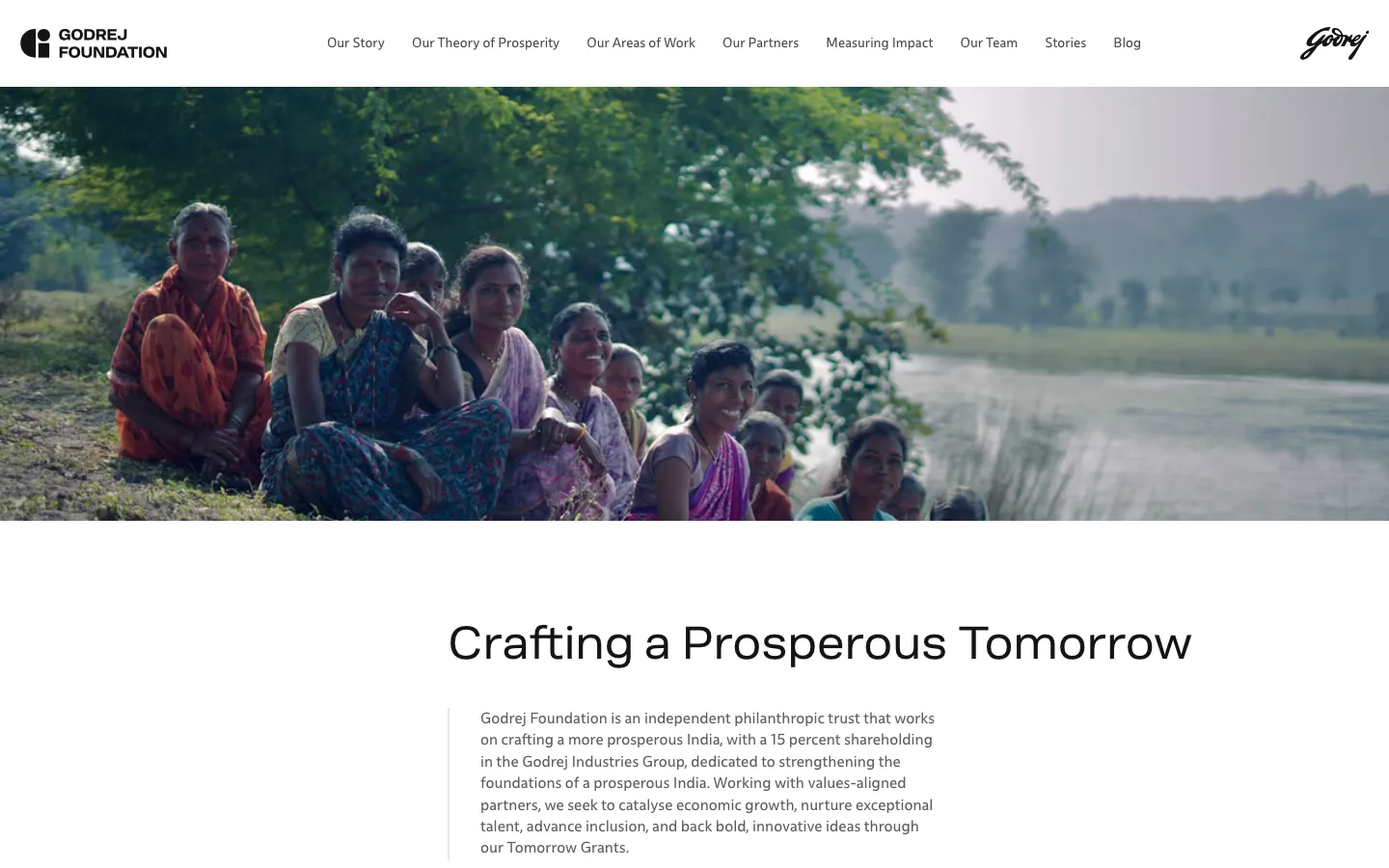
Tomorrow Makers
National talent platform for Godrej Foundation.
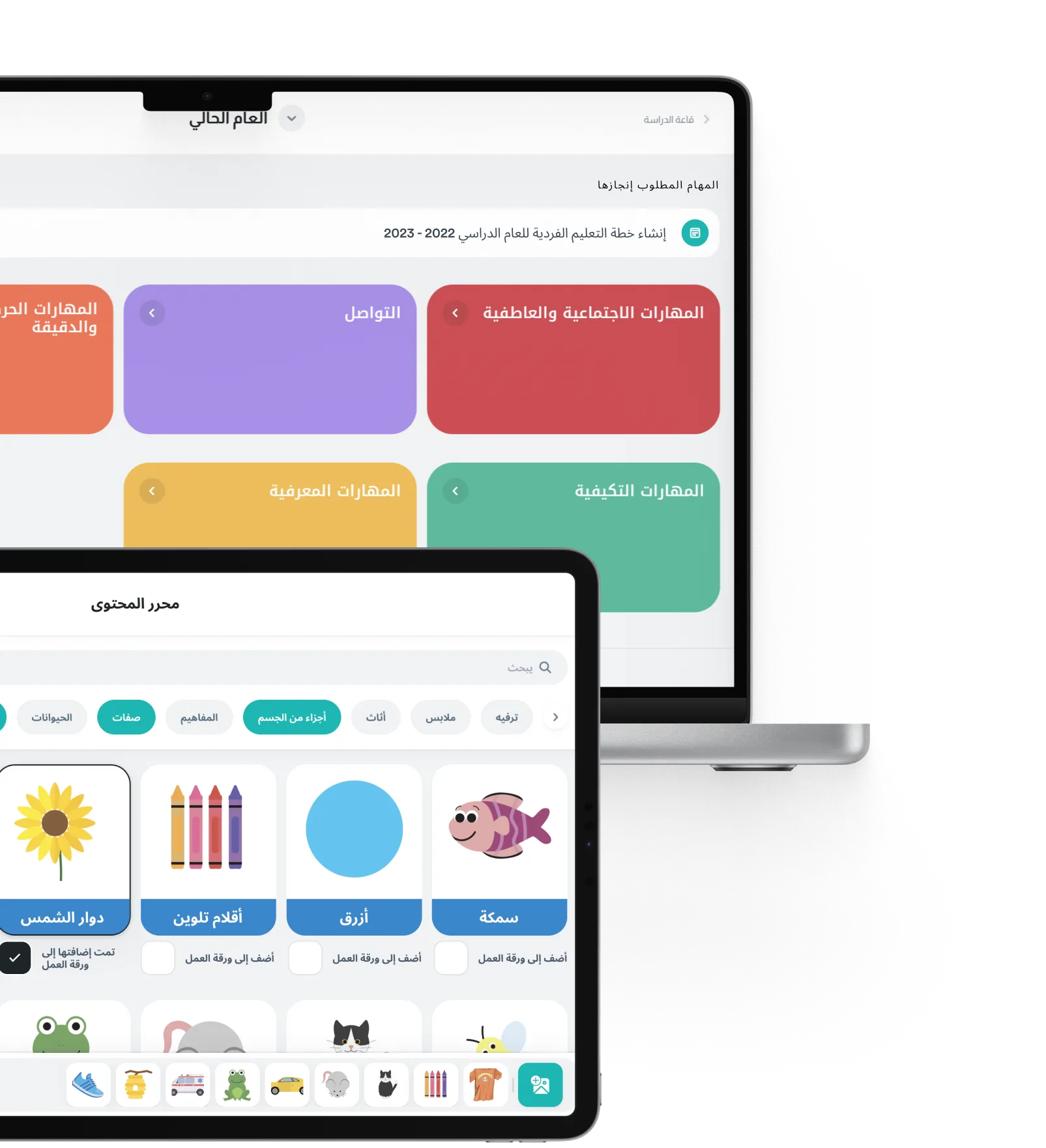
Frontend developer — the public site: pathway pages, the registration hand-off, WhatsApp onboarding and the enquiry form, on SvelteKit and Cloudflare.
Four student pathways, and an aptitude assessment in 11 languages.
The part after launch is the part I am good at: a rebrand with zero content migration, a storefront built for three to four launches a day, one product carried from day one to handoff.
I'm a frontend developer at Able.do, where I have built commerce storefronts, content systems and multilingual products since 2017 — including Mivi's storefront and a national talent platform with an aptitude assessment in eleven languages.
What a team is left with matters more to me than the launch: content models that survive a rebrand, component systems a non-technical team runs without me, and scroll-driven work that is budgeted and measured like any other asset rather than bolted on at the end.
and where the years went —
2017 — Now
Frontend Developer @ Able.do
Nine years building and shipping client products — e-commerce platforms, custom CMS systems, component libraries and design systems. Led the frontend for Mivi, Vibrant Living and a dozen other builds from first commit to production. Since mid-2026 the work has widened into QA automation, the processes that keep delivery accountable, and technical writing.
2016 — 2017
Developer (Intern) @ Uncommon
Learned the craft the honest way — code reviews, broken builds and very patient mentors. Left the internship knowing why things work, not just that they do.
Since 2026 I also take freelance work part-time, alongside Able.do.
pg. 0303
chapter three
What I make
Storefronts where product pages, carts and mailers come from one component system, so launch days do not need a rebuild.




 and where the years went —